


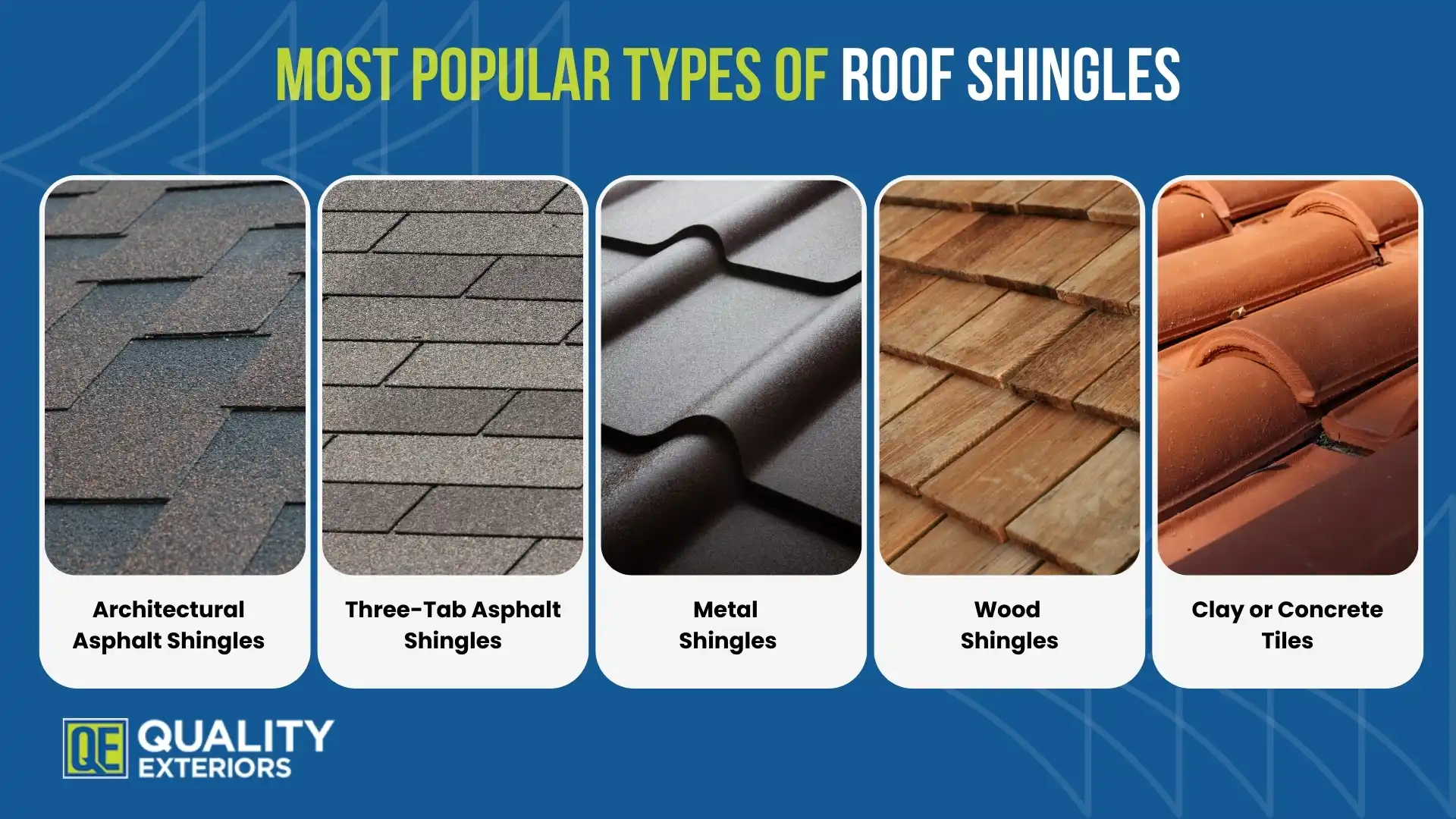
What Are Roof Shingles?
Roofing shingles form the outermost layer of your roofing system, serving as individual overlapping pieces that create a weathertight barrier. These durable materials come in various compositions, from traditional asphalt shingles to natural stone and metal roofing shingles, each engineered to handle specific climate conditions.
Types of Roof Shingles: 12 Options for Your Home
The roofing industry offers numerous shingle types, each with distinct characteristics ideal for different roof replacement projects. From budget-friendly asphalt shingle options to premium natural materials, understanding these choices helps you select the right roofing option for your specific needs.
1. Three-Tab Asphalt Shingles
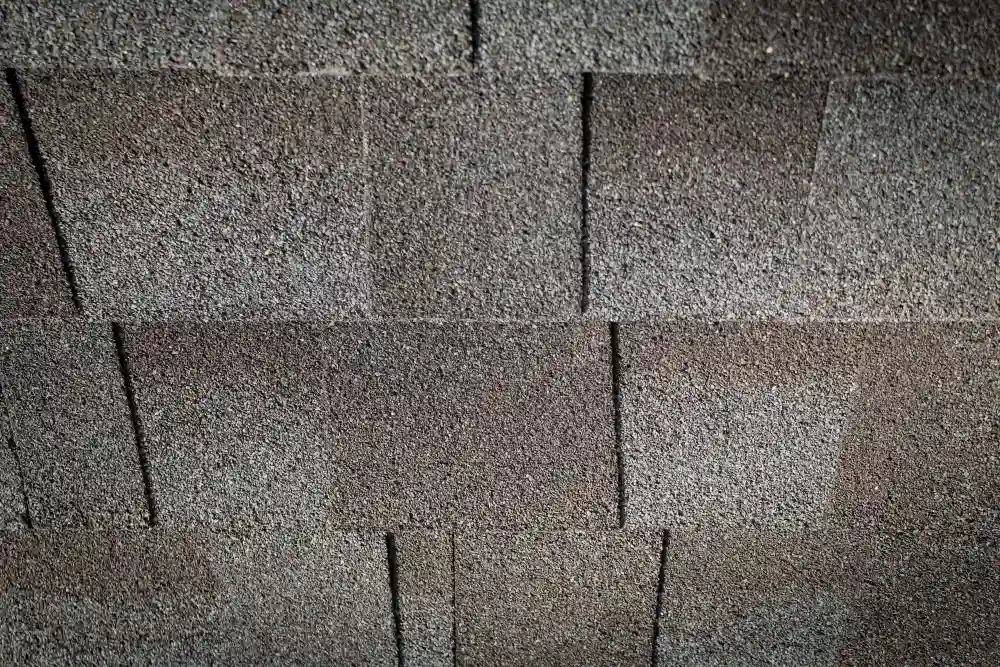
Price: $3.50-$5.50 per square foot installed
Traditional three-tab shingles are the most basic asphalt shingle option, featuring a flat profile with three evenly spaced tabs. These traditional asphalt shingles use a fiberglass mat coated in asphalt and topped with ceramic granules. While they lack the depth of premium products, they offer reliable protection at the lowest price point among asphalt shingle options.
- Pros: Lowest upfront cost, lightweight for most roofs, easy and inexpensive to install.
- Cons: Short 15–20 year lifespan, less wind resistance, plain appearance vs. other asphalt shingles.
These traditional shingles work well for rental properties, homes you plan to sell soon, or situations where budget constraints make premium roofing materials impractical.
2. Architectural Asphalt Shingles
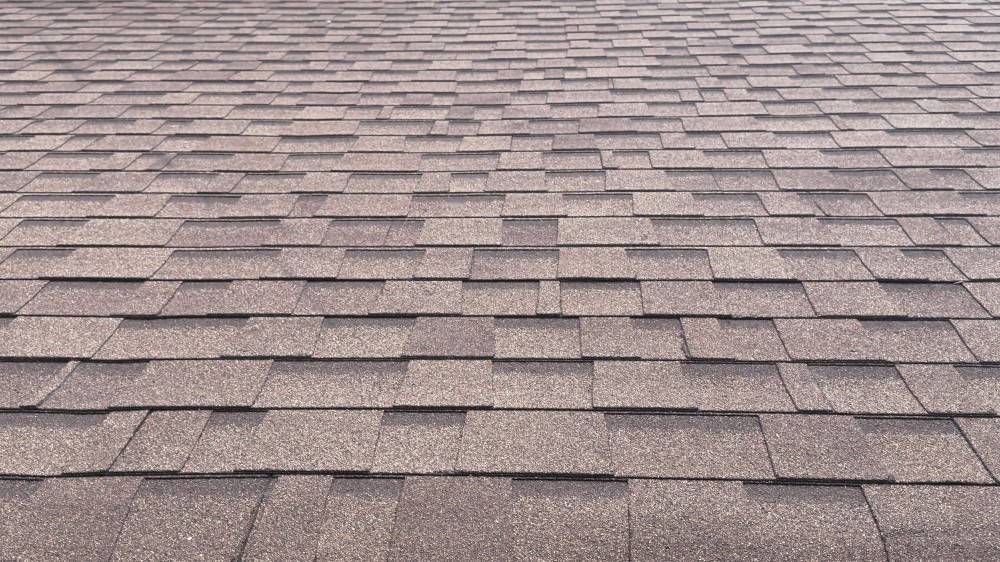
Price: $4.50-$7.50 per square foot installed
Architectural shingles, also called laminated shingles or dimensional shingles, use multiple layers of material bonded together. These architectural roofing shingles create textured depth that mimics wood shakes or slate roofing. The extra thickness provides better wind resistance and longer life compared to traditional three-tab products.
- Pros: Enhanced durability lasting 25-30 years, superior wind ratings, often up to 130 mph for high winds protection, more attractive shadow lines and texture, better warranty coverage.
- Cons: Higher cost than basic three-tab, heavier weight may need a structural assessment on older homes.
Most homeowners find that architectural asphalt shingles offer the best balance of cost, performance, and appearance for residential roofing projects.
3. Premium Asphalt Shingles
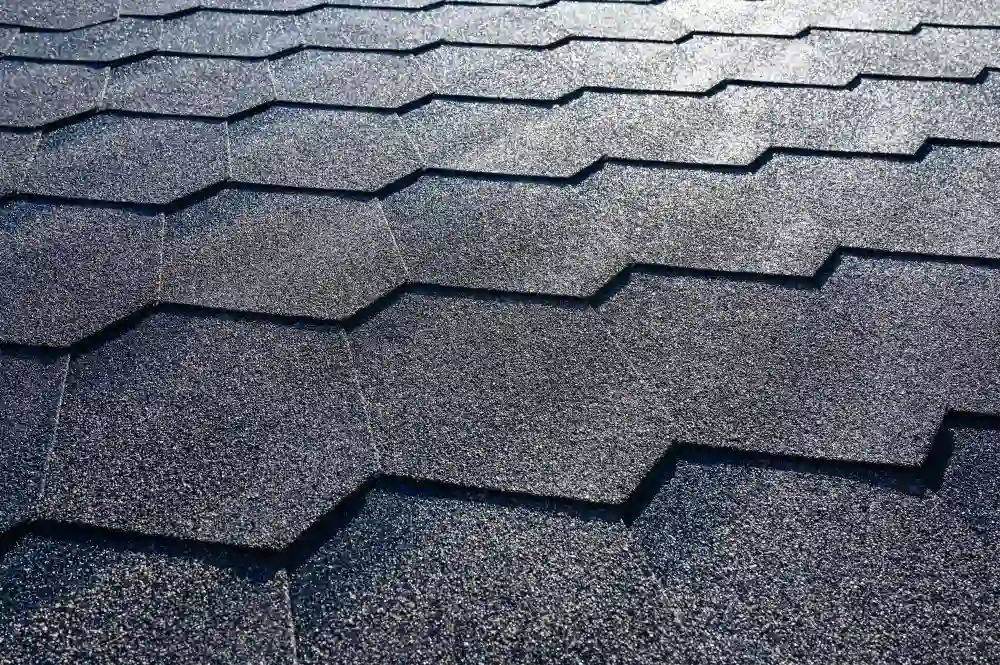
Price: $8-$12 per square foot installed
Premium asphalt shingles, often called luxury shingles, are the top tier of asphalt roofing shingles. These products incorporate multiple layers, heavier weights, and specialized features that closely replicate slate tiles or cedar shakes while maintaining asphalt's installation advantages. Shingle manufacturers design these premium products to resist algae growth and withstand extreme weather.
- Pros: Excellent weather protection, hidden fasteners, handles thermal movement, lasts 50+ years, great for solar panel mounting, and premium warranty coverage.
- Cons: Most expensive metal option, needs specialized installation, and limited repair options if panels become damaged.
Luxury homes and properties where curb appeal matters as much as function benefit most from these premium asphalt shingles.
4. Impact-Resistant Asphalt Shingles

Price: $5.50-$9 per square foot installed
Impact-resistant shingles incorporate reinforced construction designed to create an extremely durable roof that withstands hail and debris strikes. They undergo UL 2218 testing, earning Class 4 ratings that many insurers reward with premium discounts. The technology adds a rubberized layer that absorbs impacts without cracking.
- Pros: Superior hail and storm protection, potential insurance premium reductions, available in various architectural styles, and better long-term durability.
- Cons: Higher upfront investment, requires specialized installation for warranty validation.
Properties in hail-prone regions or those seeking storm damage protection find these impact-resistant shingles worth the added cost.
5. Steel and Aluminum Metal Shingles
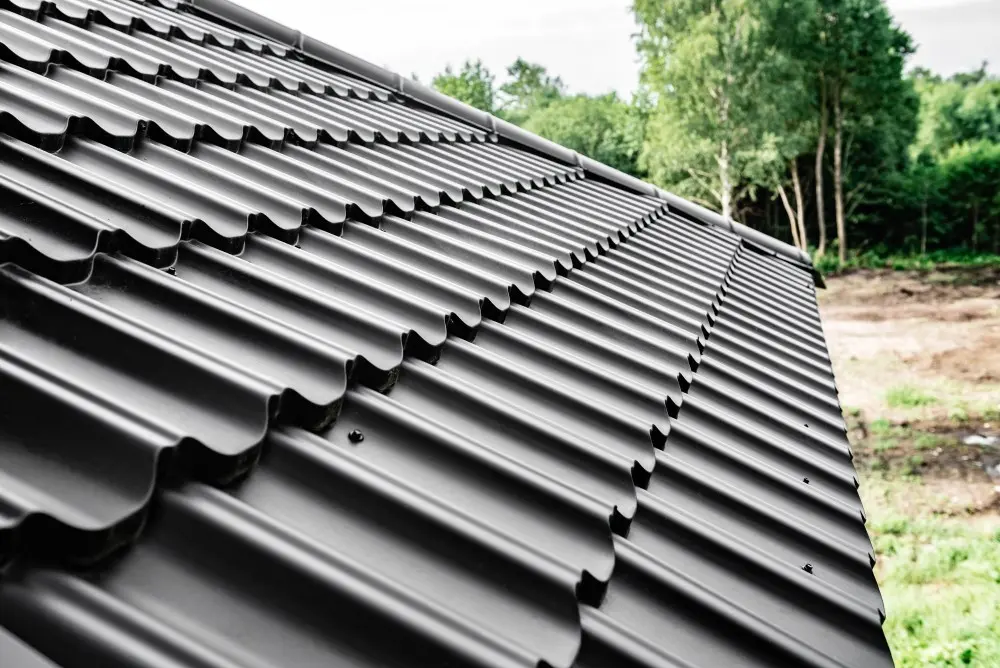
Price: $10-$16 per square foot installed
Metal shingles offer exceptional durability in panel or individual shingle form. Steel products provide strength and affordability, while aluminum shingles resist corrosion in coastal environments. Modern metal roofing shingles can replicate the appearance of traditional roofing while delivering metal roofing's performance benefits and fire-resistant properties.
- Pros: 50+ year lifespan with proper maintenance, fire-resistant and highly wind-resistant, reflects solar heat, lowering cooling costs.
- Cons: Premium pricing compared to asphalt, requires experienced roofing contractors, and can be noisy during storms without proper insulation.
Comparing metal roofing to asphalt shingles often shows metal's long-term value for homeowners planning extended stays.
6. Standing Seam Metal Roofing
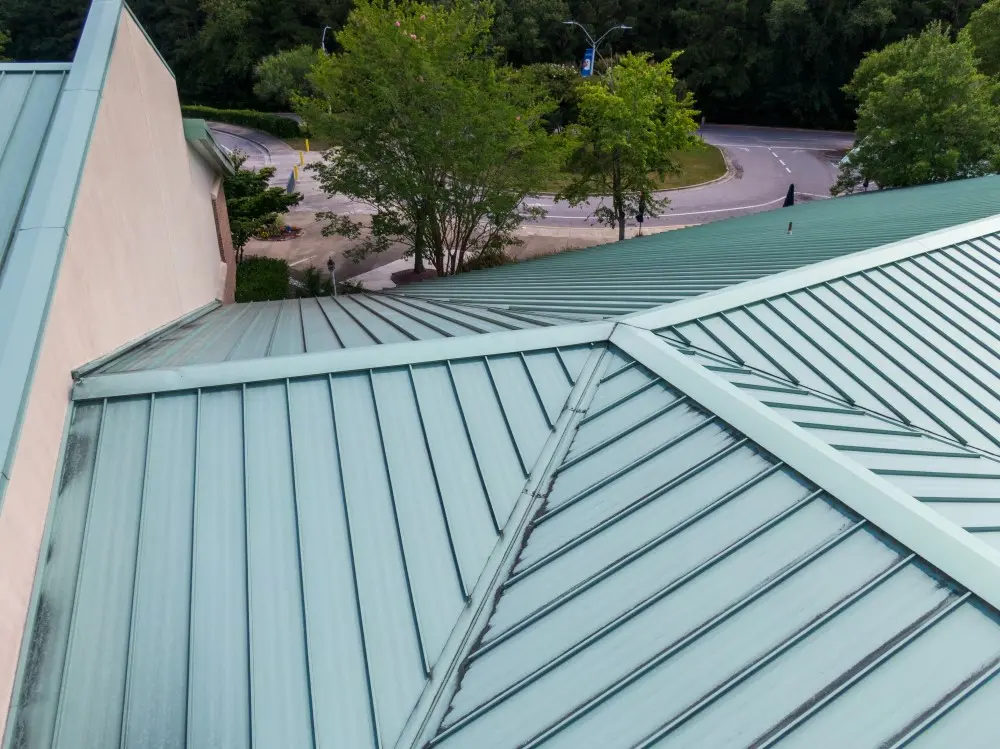
Price: $12-$18 per square foot installed
Standing seam metal roofing features vertical panels with raised vertical seams and concealed fasteners, creating a complete metal roofing system. This design eliminates exposed screws that can leak over time. The panels run from ridge to eave in single pieces, minimizing seams while accommodating thermal expansion through special clips.
- Pros: Excellent weather protection, hidden fasteners, handles thermal movement, lasts 50+ years, great for solar panel mounting.
- Cons: Most expensive metal option, needs specialized installation, and limited repair options for damaged panels.
Contemporary homes, properties planning solar shingles or solar panels installation, or those wanting maximum metal roofing performance, benefit from standing seam systems.
#cta_here
7. Wood Shingles and Shakes
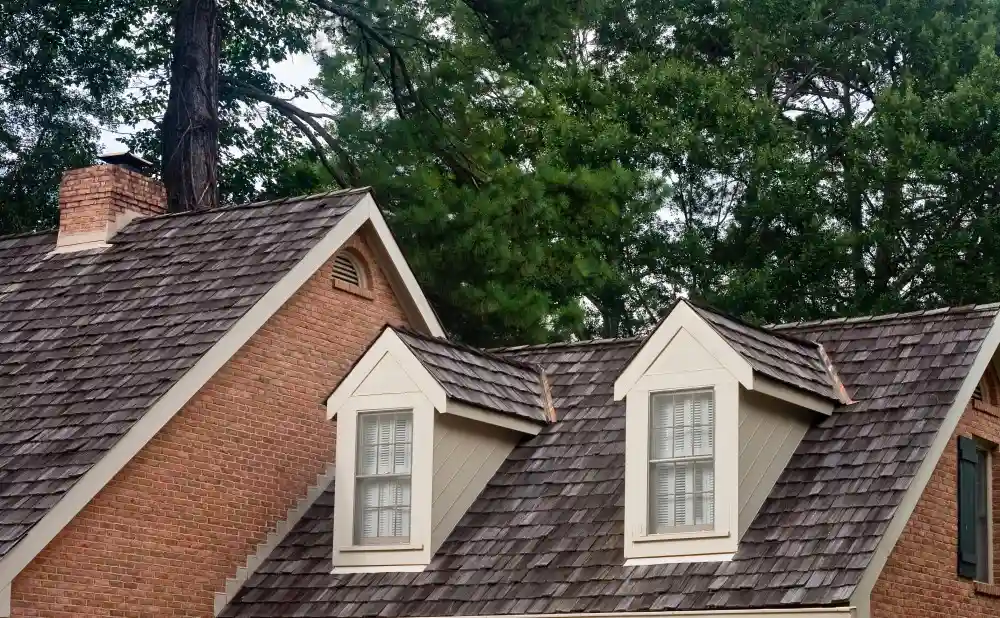
Price: $8-$14 per square foot installed
Cedar shingles and shakes offer natural, rustic charm. Shingles are smooth and uniform, while shakes are split for a textured look. Cedar resists decay and insects, but to age well, it needs regular maintenance.
- Pros: Excellent weather protection, hidden fasteners, handles thermal movement, lasts 50+ years, great for solar panel mounting.
- Cons: Most expensive metal option, needs specialized installation, and limited repair options for damaged panels.
Historic restorations and wooded properties where natural materials complement the setting make good candidates for shake shingles and wood roofing.
8. Natural Slate Shingles

Price: $15-$30 per square foot installed
Slate roofing uses quarried natural stone split into thin slate tiles. Each slate shingle displays unique color variations in gray, green, purple, or black. When installed properly, slate roofs can last over a century, creating an extremely durable roof that often outlives the structures beneath them.
- Pros: 75-100+ year lifespan, complete fire resistance, exceptional durability against all weather, natural beauty with varied colors.
- Cons: Significant weight requires structural reinforcement, the highest cost among traditional roofing materials, brittle when walked on, and requires specialized installation.
Slate shingles are ideal for historic properties, luxury homes, and situations where century-long performance justifies the investment.
9. Clay Tile Roofing
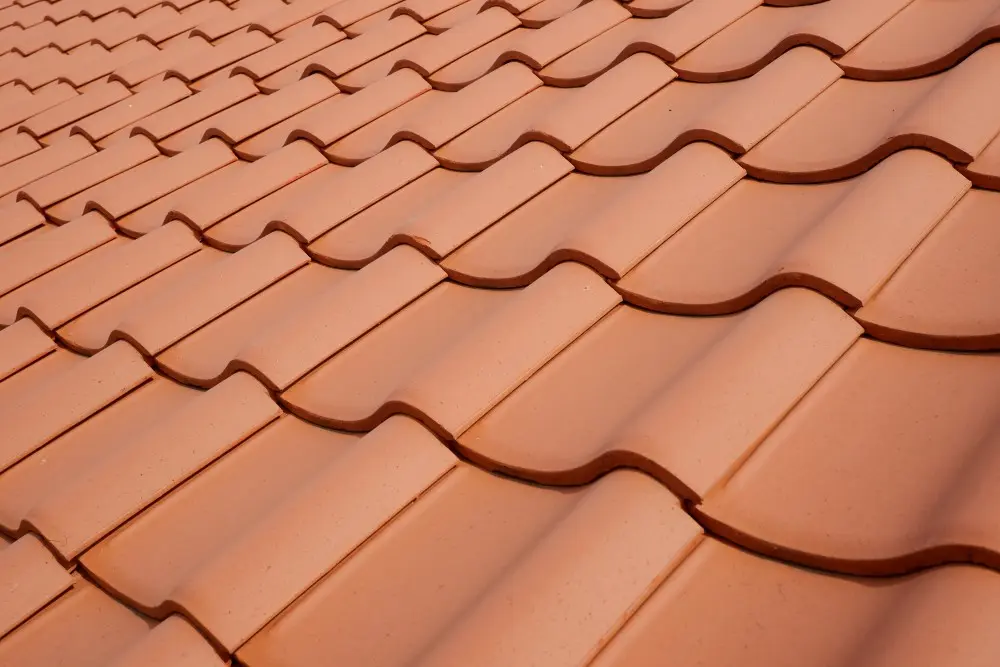
Price: $12-$25 per square foot installed
Clay tile roofing is made from fired natural clay, forming dense, water-resistant tiles. Common in Spanish and Mediterranean styles, their thermal mass helps regulate heat in hot climates and withstands extreme temperatures.
- Pros: 50-100+ year lifespan, fire-resistant and impervious to rot or insects, excellent thermal performance in hot regions, and authentic Mediterranean character.
- Cons: Heavy-weight needs structural reinforcement, higher installation costs, individual clay shingles break from impacts, and limited color options.
This type of roofing is ideal for homes with Spanish, Mediterranean, or Southwestern designs, particularly in warm climates.
10. Concrete Tile Roofing

Price: $10-$18 per square foot installed
Concrete tiles combine sand, cement, and water, then cure under pressure to create durable materials. They replicate clay tile appearance at a lower cost while providing similar performance. Modern manufacturing creates various profiles and colors through pigments, offering more variety than natural clay options.
- Pros: 50+ year durability, fire-resistant and weather-resistant, more affordable than clay, wider color selection, good thermal mass.
- Cons: Still requires structural support for weight, individual tiles can crack, more porous than clay without sealants.
Concrete tiles deliver comparable results as an environmentally friendly roofing option for properties wanting tile aesthetics without clay’s premium price.
11. Rubber and Recycled Shingles
Price: $8-$12 per square foot installed
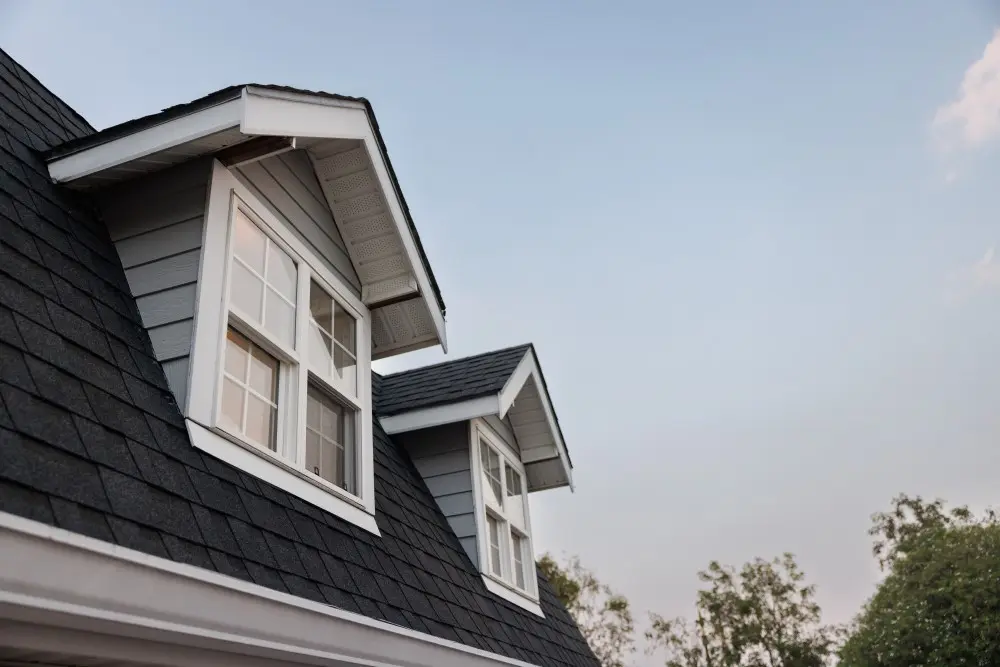
Rubber shingles incorporate recycled materials from tires, creating synthetic roofing shingles that replicate slate or wood shake appearances. These rubber roof products resist impacts, rot, and insects while weighing less than the materials they mimic.
- Pros: Made from recycled materials, lightweight, impact and weather-resistant, 30–50 year lifespan, lower installation costs.
- Cons: Newer product with limited long-term data, may lack natural look up close, manufacturer impacts quality.
Environmentally conscious homeowners or those wanting a slate appearance without the weight find rubber shingles appealing for their roofing system.
12. Composite Shingles
Price: $7-$13 per square foot installed
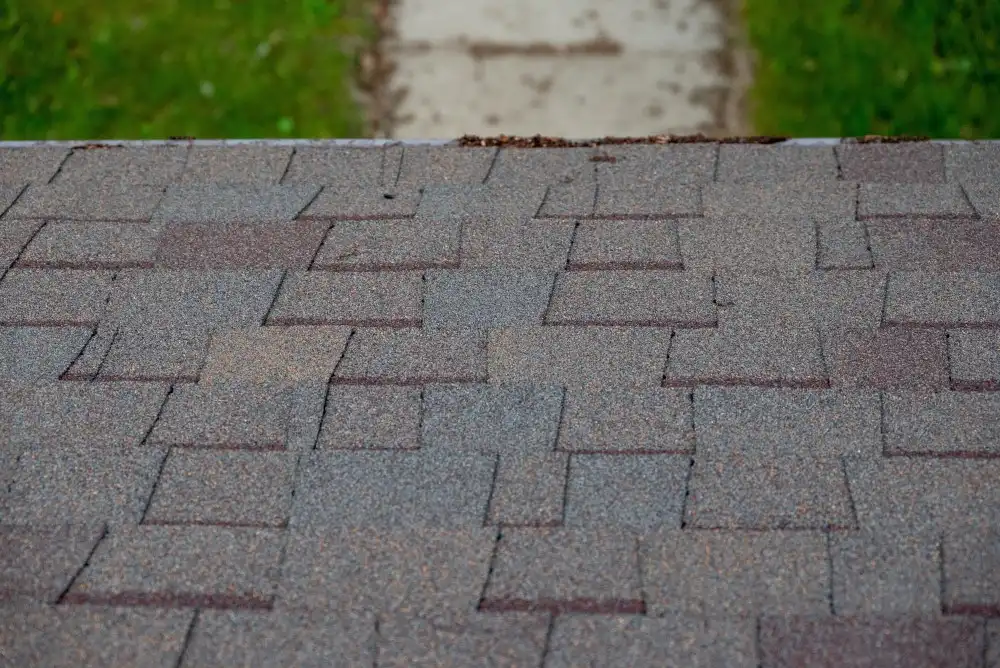
Composite shingles blend materials like polymers, recycled plastics, and fibers to engineer products with specific performance characteristics. These synthetic roofing shingles replicate traditional materials while improving on durability and maintenance needs, offering advantages over other roofing materials.
- Pros: Impact-resistant, rot- and insect-proof, lightweight, often recycled, and weather-resistant.
- Cons: Limited track record, may not perfectly mimic natural materials, and quality varies across products.
This type of roofing is ideal for homeowners seeking improved durability over natural products while maintaining traditional aesthetics.
How to Choose the Right Roof Shingles for Your Home
Are you still unsure where to start? While initial cost is important, it shouldn’t be your single driving factor. Climate conditions, architectural style, and long-term plans all influence which roofing material makes sense for your situation and creates a durable roof.
- Budget considerations: Weigh upfront cost vs. material lifespan. A pricier metal roof may save more long-term than a cheaper asphalt replaced more often.
- Climate requirements: Hot areas benefit from reflective metal or tile. Cold or stormy regions need impact-resistant, weatherproof materials.
- Architectural compatibility: Colonial homes pair well with slate or dimensional shingles. Clay tiles fit Mediterranean styles; ranch homes allow more flexibility.
- Weight capacity: Older homes may need structural reinforcement for heavy materials like slate shingles or tile. Consulting roofing contractors about your structure's capacity and roof slope prevents costly surprises.
- Maintenance willingness: Wood shakes need regular care. Metal requires occasional checks. Asphalt needs periodic replacement. Choose what fits your upkeep habits.
- Local regulations: Building codes may restrict or require certain fire-resistant materials. HOA rules sometimes limit color or shingle style choices.
Different shingles work for different situations, which is why a professional assessment can be helpful. Factors like roof slope, existing ventilation, and local weather patterns all influence performance and determine which roofing option is best for your needs. We’re always here to help assess your situation and make personalized recommendations.


.avif)
