The Average Roof Repair Cost in Tennessee
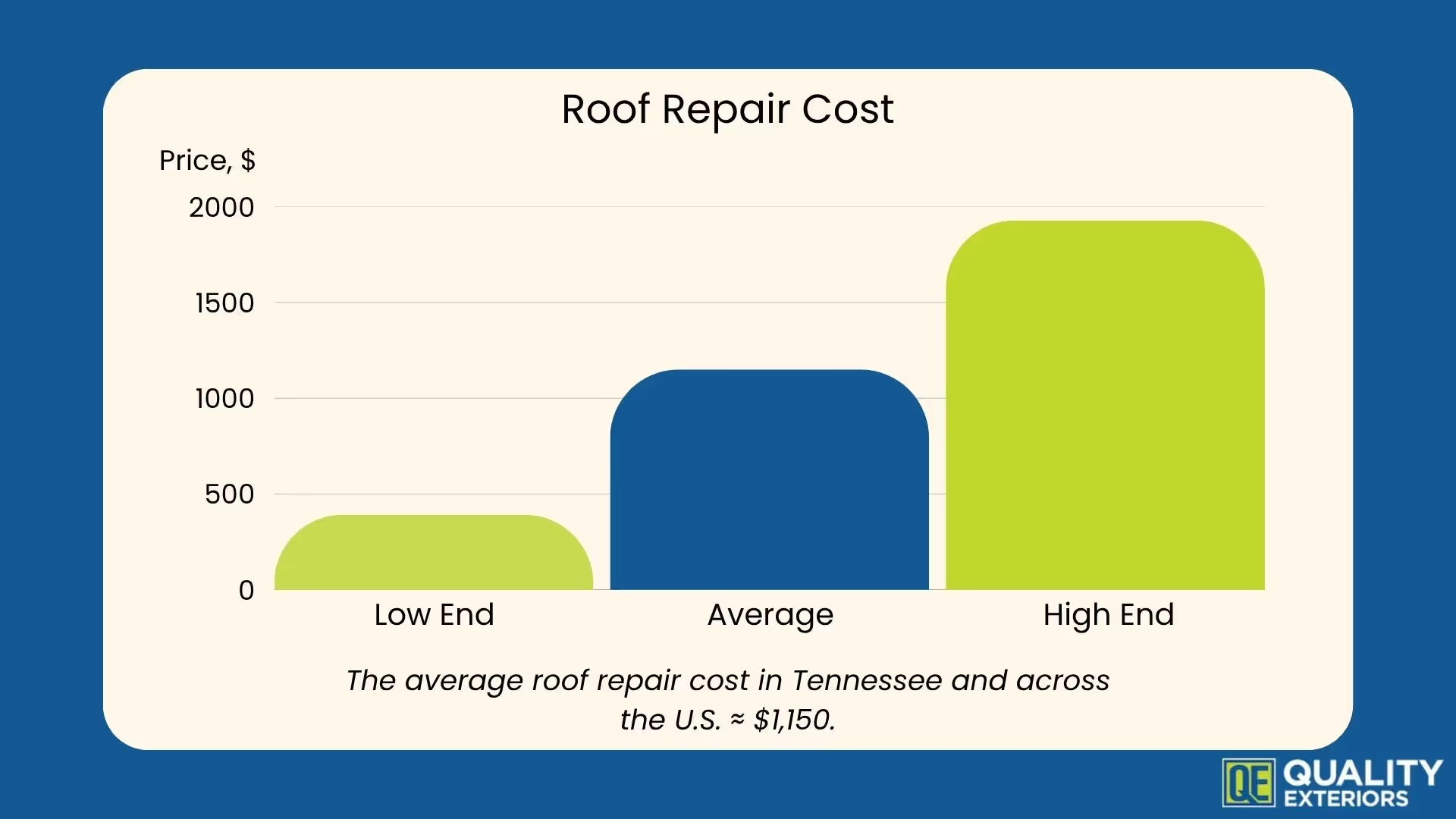
Most Tennessee homeowners spend between $400 and $1,950 on roof repairs, with the typical job landing around $1,150. The final price you’ll pay is based on your location within the state, the type of damage, and the roofing material involved.
Repair costs vary across the state's major markets, largely due to differences in labor demand, contractor overhead, and local competition.
- Nashville/Franklin area: $550–$2,300.
- Murfreesboro region: $475–$2,100.
- Chattanooga area: $450–$2,050.
- Rural Middle Tennessee: $400–$1,950.
Nashville's market consistently sits at the top end of this range, resulting from high contractor demand, larger home footprints, and complex rooflines common across the region.
Common Roof Repair Types and Costs
The actual cost of your roof repair depends heavily on the extent of damage and required work. Below, we’ve provided a breakdown across three repair tiers, along with some line items that often surprise homeowners.
Minor Repairs ($100–$900)
Minor repairs address isolated problems before they spread. Most jobs in this range take a few hours and involve no structural work.
Note: When small leaks aren’t addressed, it can compromise the decking beneath and push a $400 repair into $2,000+ territory quickly.
Moderate Repairs ($650–$2,200)
Moderate repairs address more significant issues that affect your roof's ability to shed water and endure the next storm season.
Major Repairs ($2,500–$8,000)
Major repairs often involve structural work or extensive water damage. These jobs typically come up after extreme weather or years of deferred maintenance.
Ice dams often point to an underlying attic ventilation problem. If they keep coming back after repair, the real fix may be in the attic rather than on the roof surface.
Cost Factors for Tennessee Homeowners
Several variables shape what you'll pay, including material choice, labor availability, roof complexity, and timing all move the final number. Here's what matters most.
Roofing Material Costs
How much a roof repair costs is closely tied to the type of roofing material you choose. The table below reflects 2026 installed costs per square foot alongside typical repair costs for common issues such as missing shingles, leaks, or cracked sections.
Architectural asphalt shingles have become the go-to choice for many Tennessee homes because they offer a smart balance of durability and affordability. Compared to traditional 3-tab shingles, they hold up better against strong winds, typically last 25–30 years, and fit within a budget that works for most families.
Labor, Complexity, and Roof Size
Professional roofing crews in Tennessee are commanding higher rates in 2026, driven by a statewide shortage of qualified tradespeople. Pitch, number of roof planes, and accessibility all affect how long a job takes.
A simple low-slope repair might wrap in 2-3 hours, while a steep multi-valley roof with dormers can take a full day for the same square footage of damage. In the roofing industry, measurements are typically expressed in "squares," where one square equals 100 square feet of roofing surface:
Tennessee's Climate and Seasonal Timing
Tennessee's weather creates roofing stress in all four seasons. Spring brings heavy rains that expose existing weaknesses; summer heat accelerates shingle deterioration; fall is the most practical window for non-urgent work; and winter freeze-thaw cycles can crack materials and drive ice under flashing.
Scheduling repairs in late fall often means better contractor availability and, in some cases, more flexibility on pricing compared to peak spring storm season.
Tear-Off and Permit Costs
Removing old material before a repair or replacement is a real cost that often gets overlooked in headline estimates. Tear-off typically runs $1–$3 per square foot for a single shingle layer, with costs rising for multiple layers or heavier materials.
Permits are also part of the real budget. Fees vary across Murfreesboro, Nashville, Franklin, and Chattanooga, ranging from flat rates to square-footage-based calculations depending on the municipality. Your contractor is responsible for pulling the permit. It’s a red flag if a roofer asks you to handle permitting yourself.
Emergency Roof Repairs
When unexpected damage occurs, emergency repairs prevent further issues. Emergency services typically cost 25–50% more than standard repairs but can save thousands in potential damage. Here are some common emergency scenarios:
- Storm damage requiring immediate coverage
- Fallen tree damage
- Major leaks during rain events
#cta_start
Storm Damage Doesn't Wait
Water gets further in with every rain event. Quality Exteriors provides roof repair and insurance claims support across Middle Tennessee. Call us before the next storm hits.
#cta_end
When to Repair vs. Replace Your Roof
The repair-or-replace decision comes down to three things: the roof's age, the extent of the damage, and whether the structure itself is affected.
A useful starting point is the 25% rule: when damage covers more than 25% of the total roof surface, replacement is generally more cost-effective than patching. Some insurers use this threshold when reviewing claims, and many building codes reference it as a benchmark. Checking for roof damage yourself before calling a contractor helps you go into any estimate conversation with a clearer picture of what you're actually dealing with.
A replacement is likely the right call in three situations:
- Extensive damage: If over 30% of the roof is damaged, replacement is often more cost-effective than multiple repairs.
- End of lifespan: Roofs nearing the end of the roofing material lifespan may need replacing even with minor wear.
- Compromised structural elements: Issues like failing roof trusses or significant sagging indicate the need for a full replacement to ensure safety.
If you're leaning toward a full replacement, here's what a standard asphalt shingle roof costs in Tennessee by home size:
Homeowners Insurance and Roof Repairs
Tennessee homeowners face a shifting insurance landscape in 2026. The average home insurance premium in the state has climbed to around $3,000 annually, and many carriers have moved to percentage-based deductibles for wind and hail claims.
For example, on a $400,000 home with a 2% deductible, that means $8,000 out of pocket before coverage applies, which is often more expensive than the cost of the repair itself.
What Insurance Typically Covers
Most standard policies cover sudden storm damage, including hail, wind, and falling debris. Gradual wear, neglect, and improper installation are generally excluded.
Whether homeowners' insurance covers a roof leak depends on the cause. A leak caused by storm damage is often handled differently than one caused by aging materials or delayed maintenance.
Filing Deadlines Matter
Most Tennessee policies require notification within 30 to 90 days of the damage event, though some allow up to a year from the date of the storm. Filing a roof insurance claim within your policy's window is critical. A late filing can result in denial even for a fully legitimate claim. Document everything before temporary repairs are made: photos, dates, and written contractor estimates all support the claim.
Storm-Resistant Upgrades That Lower Premiums
Class 4 impact-resistant shingles cost 10–25% more than standard architectural shingles, but they can qualify Tennessee homeowners for insurance discounts of 10–35%. In a market where premiums are rising every year, that discount can recover the upgrade cost over a few renewal cycles.
DIY vs. Professional Roof Repair: What's Best for You?
There isn't a one-size-fits-all when it comes to keeping your roof in pristine condition. The best solution depends on how extensive the repair is, how comfortable you are working at height, and what’s really causing the issue.
When DIY Is an Option
DIY repairs are typically ideal for simple, small-scale maintenance tasks that don’t involve structural components or high-risk areas. These include projects like:
- Replacing a few missing shingles: Replace blown-off asphalt shingles with nails and sealing compound.
- Minor gutter repairs: Clear clogs, seal small leaks, or reattach loose sections to improve drainage.
- Basic maintenance: Reseal vent boots and check flashing for cracks to extend your roof’s lifespan.
When to Call a Pro
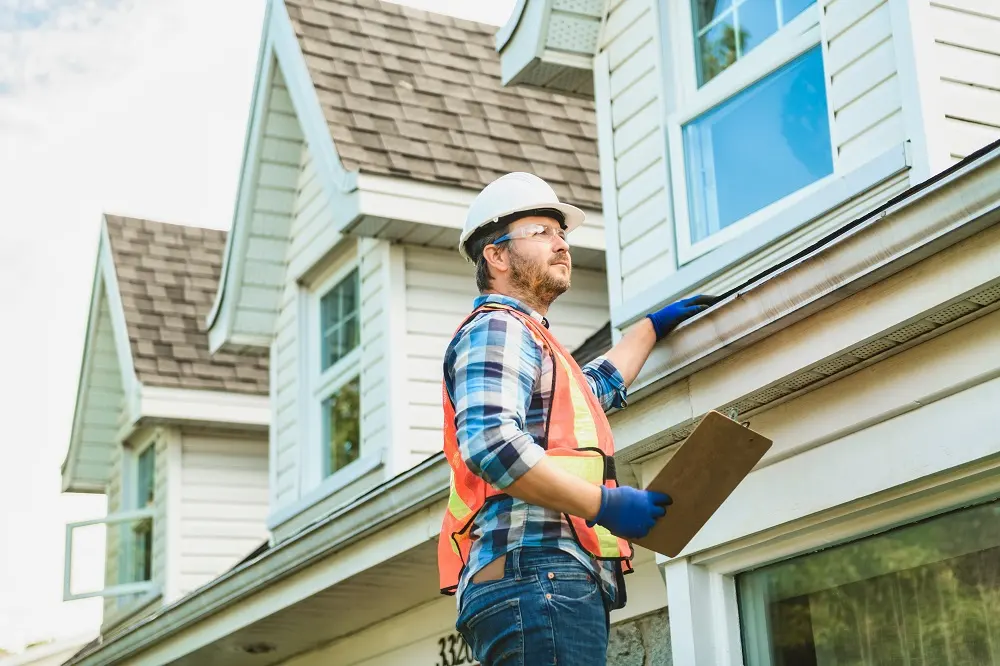
Some roof repairs are simply too complex or hazardous for DIY work and require the expertise of a roofing contractor. Call a pro if you need:
- Structural repairs: Sagging, cracks, or roof truss repair issues need expert work to ensure safety.
- Complete roof inspections: Pros can spot hidden damage after storms that DIYers might miss.
- Insurance claim work: Insurance claims often require estimates from licensed roofers.
- High or steep roof repairs: Steep or multi-level roofs are dangerous and need professional handling.
- Complex flashing work: Chimneys, skylights, and roof valleys have intricate flashing that needs precision.
Even for simple issues, consider scheduling a professional consultation if your roof is nearing the end of its lifespan. A small repair might not be enough if a larger replacement is needed soon. The last thing you want is to attempt a repair on your own only to make the problem worse.
Choosing the Right Roofing Professional: What to Look For
Picking the right contractor matters as much as the repair itself. After storms, the Tennessee AG's office warns about "storm chasers" who pressure homeowners for quick contracts and large upfront payments. The roofing scams guide covers what to watch for.
Look for:
- Licensing and payment terms: Verify any contractor at verify.tn.gov before signing. Tennessee's Home Improvement Law caps upfront deposits at one-third of the total job cost.
- Local reputation: Contractors with verifiable reviews in your specific market depend on referrals from neighbors, which keeps accountability high.
- Written warranties: Labor warranties protect you if the repair fails within a defined window; material warranties come from the manufacturer and transfer to you as the homeowner.
- Experience with your material: Metal, slate, and tile all need different skill sets than standard asphalt work.
- Emergency availability: In storm season, same-day response capacity is a meaningful differentiator between local contractors.



.webp)